The Weave of Strength
Carbon fiber is not merely a surface finish; it is the skeleton of speed.
In modern hypercar design, the interior is often completely dictated by the structural requirements of the chassis. The carbon fiber monocoque, or "tub", serves as the foundation. Entering a cockpit means stepping over wide, exposed sills formed from pre-impregnated T1000G carbon fiber.
Autoclave Bonding
Unlike wet-layup composites used in aftermarket parts, hypercar interiors feature dry carbon that is cured in high-pressure autoclaves. This extracts excess resin, leaving only the purest matrix of strength. The resulting surface is cold, rigidly unyielding, and transmits vibrational data from the suspension directly into the cabin.
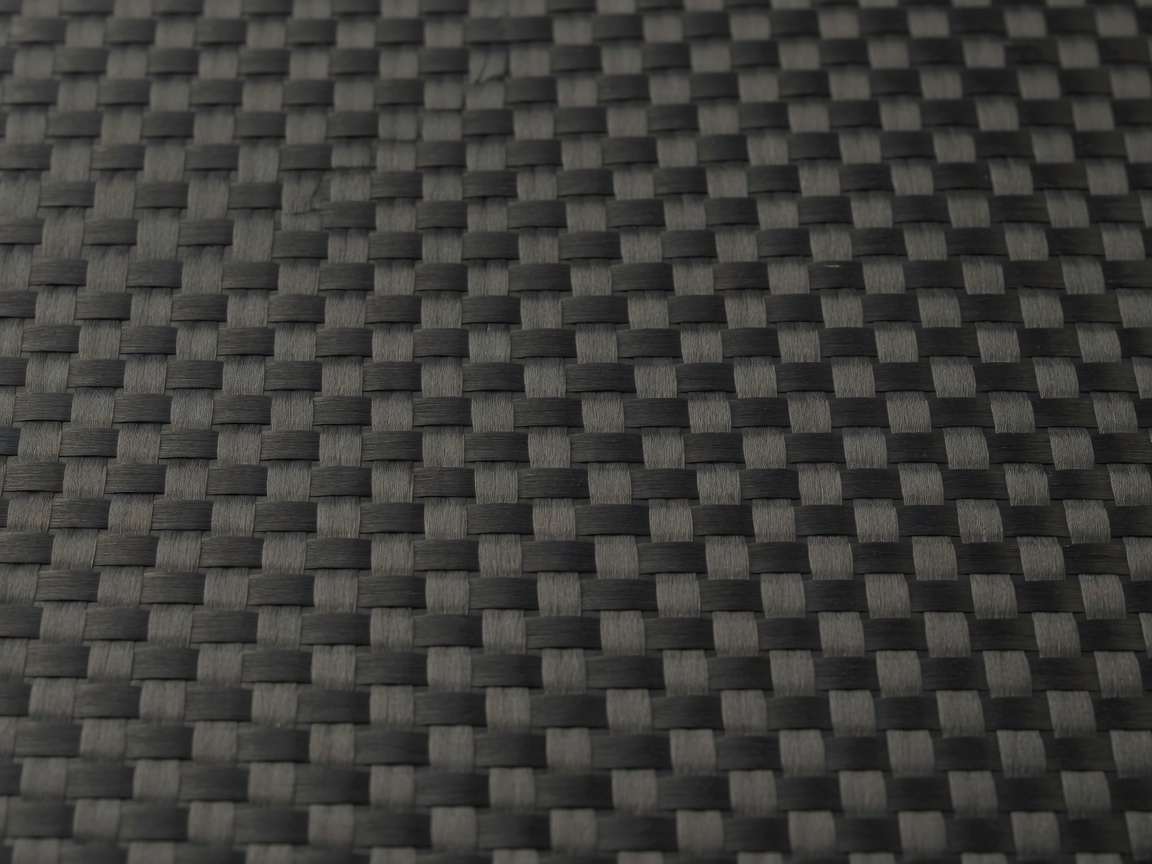
Forged vs. Woven
While traditional 2x2 twill weave remains the standard for directional strength, the advent of forged composites—pioneered heavily in Sant'Agata Bolognese—utilizes chopped carbon fibers mixed with resin and forged under immense pressure. This creates a marbled, organic aesthetic that is often utilized on center consoles and paddle shifters, offering multidirectional load distribution.
| Material Variant | Tensile Strength (MPa) | Primary Interior Application |
|---|---|---|
| T800 Standard Weave | 5,490 | Door panels, dashboard substructure |
| T1000G Pre-Preg | 6,370 | Monocoque tub, integrated seat shells |
| Forged Composite | Variable | Paddle shifters, complex geometry bezels |