Data at 300km/h
Minimizing cognitive load through aggressive information architecture.
The human brain struggles to process granular visual data when the landscape is blurring past at over 80 meters per second. The Human-Machine Interface (HMI) of a hypercar is designed entirely around cognitive triage: displaying only what is necessary, exactly when it is necessary.
Peripheral Telemetry
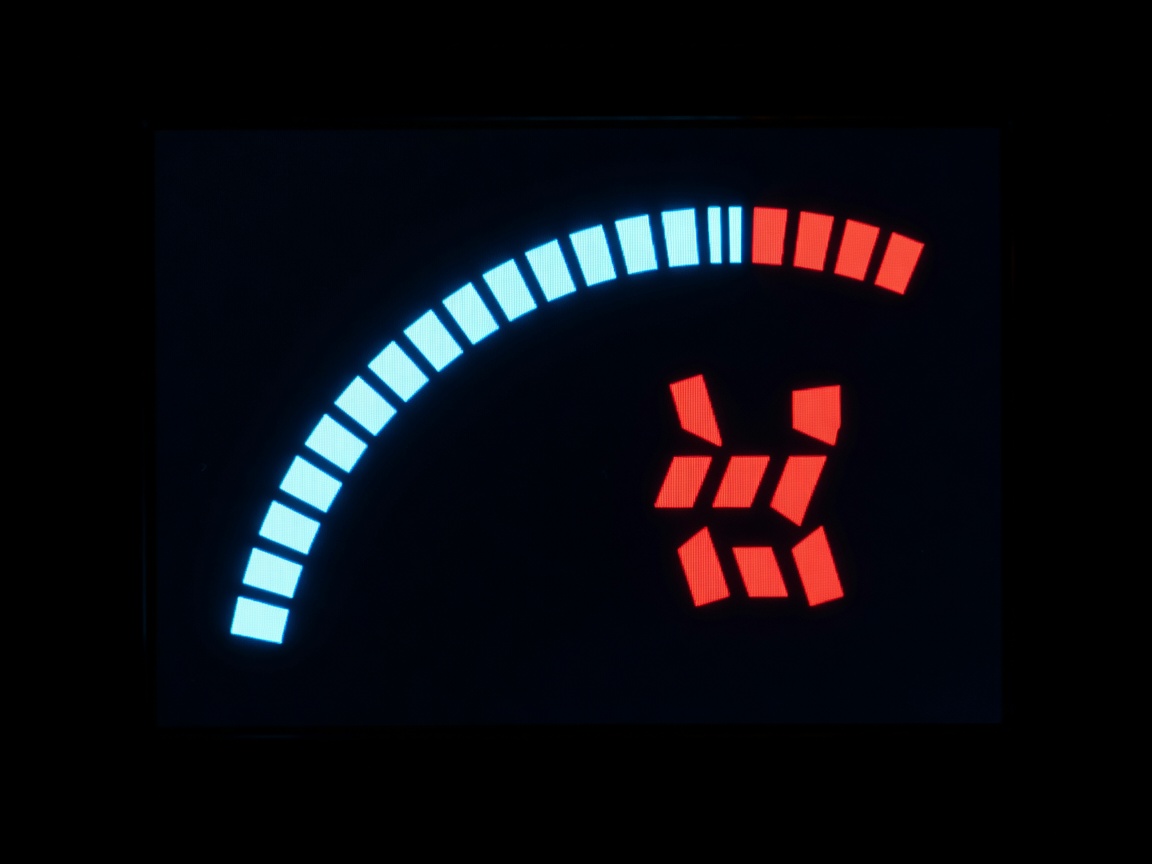
Analog gauges have largely been replaced by high-contrast TFT displays supplied by motorsport electronics firms like MoTeC and Bosch. In "Track Mode," these screens abandon speedometers in favor of a massive digital tachometer, current gear indicator, and critical fluid temperatures. Everything else is blacked out to reduce distraction.
Steering Wheel Integration
To ensure hands never leave the 9-and-3 o'clock positions, hypercars consolidate vital controls onto the steering wheel face. Inspired heavily by Formula 1, modern wheels incorporate rotary dials for traction control mapping, ABS intervention levels, and engine modes.
-
LED Shift Indicators
Embedded into the top rim of the steering wheel, sequential LEDs transition from green to red, bleeding into the driver's peripheral vision to dictate the optimal shift point without requiring downward eye movement.
-
Haptic Resistance
Touchscreens are severely flawed in high-G environments. Hypercar interfaces rely on machined aluminum buttons with heavy actuation force, ensuring inputs are deliberate and providing distinct tactile feedback.